Santa Ana, CA · Orange County
Whole-Building Fire & Smoke Odor Removal in Santa Ana, CAAir Scrubbing For Whole Buildings & Thermal Fogging Deodorization
Whole-Building Fire & Smoke Odor Removal in Santa Ana covers electrostatic soot removal, fire damaged material removal, and whole-house air scrubbing.
Answered 24/7
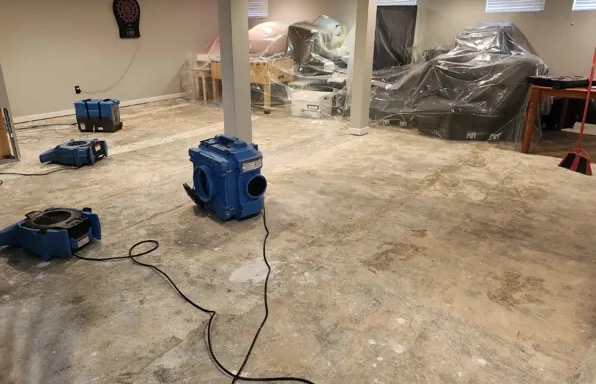
Fire and Smoke Odor Elimination Services in Santa Ana
After a fire, smoke odor soaks into drywall, wood, fabric, and the air itself. Whole-building deodorization specialists use fogging and ozone to break down odor at its source instead of covering it.
For homes in Santa Ana and nearby Tustin, Orange and South Coast, treating the air alone is not enough because odor binds to surfaces. Local pros clean, deodorize, and then seal porous materials.
Whole-Building Deodorization Process
Air Scrubbing for Whole Buildings
Scrubbers run during soot cleaning and deodorizing, removing particles stirred up as each area of the building is worked on.
Thermal Fogging Deodorization
A heated deodorant is released as a fine fog that reaches into wall cavities and ceilings, where it breaks down odor molecules.
HVAC Duct Smoke Cleaning
After a fire in Santa Ana, the duct system is cleaned with vacuum equipment and agitation tools before it is used again.
Whole-House Air Scrubbing
HEPA and carbon filters in industrial air scrubbers capture fine soot and odor particles from every room before they settle on curtains and upholstery.
Surface Sealing for Residual Odor
Exposed studs and subfloors get a sealant that holds in remaining odor molecules before walls and floors are rebuilt.
Signs a Santa Ana Property Needs Fire Smoke Odor Elimination
Odor Returns After Opening Windows
When airing out the house does not clear the smell, smoke odor has worked its way into walls, floors, or furniture.
Soot Residue on Walls and Ceilings
Black or gray soot on walls and ceilings shows smoke residue that household cleaners tend to smear rather than remove.
Discolored or Stained Fabrics
Yellowed or grayed curtains, upholstery, or clothing have absorbed smoke and usually need special cleaning to lose the odor.
Persistent Smoky Odor in Rooms
A fire smell that stays in several rooms after cleaning means odor has soaked into the building, not just the surfaces.
How Whole-Building Fire & Smoke Odor Removal Works in Santa Ana
Step 1: Comprehensive Soot Removal
Dry and wet cleaning remove visible soot, which carries much of the lingering smoke odor.
Step 2: Deep HVAC System Decontamination
The HVAC system is cleaned and deodorized, since dirty ducts are a common source of returning smells.
Step 3: Advanced Oxidizing Treatments
Ozone or hydroxyl treatment breaks down odor molecules left in the air and in porous materials.
Step 4: Final Deodorization and Cleaning
A final round of cleaning and deodorizing follows, and pros check each room for odor before finishing.
Sources of Recurring Smoke Odor in Buildings
Incomplete Post-Fire Cleaning
Wiping and vacuuming after a fire often misses fine smoke particles lodged in porous surfaces and floating in the air.
Absorption Into Soft Furnishings
Couches, carpets, and drapes trap smoke odor and release it slowly for weeks after the fire.
Smoke Penetration Into Porous Materials
Smoke odor soaks deep into drywall, wood, and insulation, which then release the smell for months if left untreated.
Inadequate Ventilation During Fire
With windows and doors closed during a fire, smoke stays concentrated indoors and soaks deeper into materials.
Fire Odor Removal for All Property Types
Residential Whole-Building Fire & Smoke Odor Removal
In homes, pros combine air scrubbing with ozone treatment suited to household materials, and plan the work so the family can move back in sooner.
Commercial Whole-Building Fire & Smoke Odor Removal
Office buildings often have long, complex duct runs. Pros remove burned materials, clean the ducts zone by zone, and scrub the air on each floor.
The Limits of DIY Fire Odor Elimination
Photograph the damage before cleaning or moving anything, and list affected belongings. Share the photos with your insurer, then leave deodorizing of walls and contents to pros.
Understanding Whole-Building Fire & Smoke Odor Removal Cost Factors
Duct cleaning and content cleaning add to the scope and the price when the HVAC system and belongings also hold odor.
Deodorization Method Required
Thermal fogging and ozone treatment use different equipment, and some jobs need both methods.
Affected Material Types
Porous materials like drywall and upholstery often need special treatment or removal, which adds work.
Severity of Smoke Penetration
Heavy smoke residue needs more cleaning passes and repeat treatments than light surface soot does.
Does Insurance Cover Whole-Building Fire & Smoke Odor Removal?
Your policy terms decide coverage. Local fire restoration professionals prepare a written scope with photos to submit with your claim; discuss the process with your insurer.
Why Whole-Building Fire & Smoke Odor Removal Demands Professional Expertise
HVAC System Decontamination
Ducts are cleaned so the HVAC system does not keep pushing smoke odor through the building after cleanup.
24/7 Emergency Response
Smoke odor sets into materials over time, so starting quickly limits how deep it soaks in.
Content Salvage Focus
Belongings are cleaned and deodorized so items that might otherwise be thrown out can often be kept.
Urgent Whole-Building Fire & Smoke Odor Removal When You Need It Most
Smoke odor gets harder to remove as it sinks into materials. For fire odor removal in Santa Ana, call (949) 710-3360 for a 24/7 response.
Call Now (949) 710-3360Areas Served for Whole-Building Fire & Smoke Odor Removal
Other places served are listed below, each with its own page.
- Whole-Building Fire & Smoke Odor Removal in Tustin
- Whole-Building Fire & Smoke Odor Removal in Orange
- Whole-Building Fire & Smoke Odor Removal in South Coast
- Whole-Building Fire & Smoke Odor Removal in North Tustin
- Whole-Building Fire & Smoke Odor Removal in Garden Grove
- Whole-Building Fire & Smoke Odor Removal in Midway City
- Whole-Building Fire & Smoke Odor Removal in Westminster
- Whole-Building Fire & Smoke Odor Removal in Laguna Beach
Whole-Building Fire & Smoke Odor Removal FAQs Answered
Can ozone treatment remove strong smoke smells?
Ozone generators release O3, which breaks apart smoke odor compounds in the air and on porous surfaces when used in an empty building.
Why is HVAC duct smoke cleaning necessary?
Soot in the ducts spreads odor every time the system runs. Cleaning the ducts stops that cycle so treated rooms stay fresh.
What's the difference between cleaning and deodorizing?
Cleaning removes visible soot residue, while deodorizing breaks down the odor molecules left behind. Most fire jobs need both steps.
What materials typically require fire damaged material removal?
Charred wood, melted plastics, contaminated insulation, and anything that cannot be cleaned or is unsafe are removed and disposed of.
How is success measured in fire smoke odor elimination?
Pros check each room for remaining smoke odor after treatment and may use particle counters to confirm the air is clean.