
Costa Mesa AquaTeam · San Joaquin Hills, California · Open 24/7
Heating Unit Mold Cleanup San Joaquin Hills, California
- Over 145 5-Star Reviews
- Free Estimates and Quotes
- 24-Hour Emergency Service
- Fully Licensed & Insured
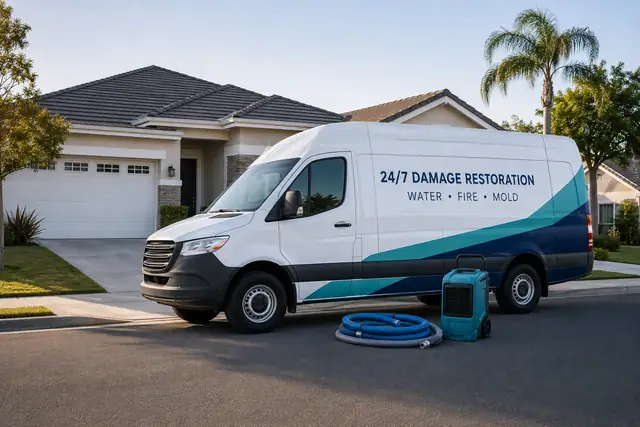
Heating Unit Mold Cleanup in San Joaquin Hills, California
Possible Causes of Heating Unit Mold Growth
Heating units can become a breeding ground for mold when excess moisture accumulates inside or around the system. Leaks, condensation, or high humidity levels can contribute to damp conditions that promote mold spores to settle and grow undetected.
Another common cause is poor ventilation or inadequate airflow within the heating system. When warm air fails to circulate properly, it creates areas with stagnant, moist air, which supports mold development. Over time, this can lead to significant mold buildup that impacts indoor air quality and your health.
How Can We Fix That
Our team begins by thoroughly inspecting your heating system to identify any signs of mold contamination. We use advanced moisture detection tools to locate hidden pockets of dampness, ensuring no mold spores are left untreated.
Once the affected areas are identified, we carefully clean and remove all mold growth using safe, EPA-approved biocides. This step removes existing mold and prevents future outbreaks, restoring your system’s cleanliness and safety.
After cleaning, our experts implement proper drying techniques to eliminate moisture, reducing the risk of mold returning. We also provide recommendations on how to improve ventilation and humidity control to keep your heating unit mold-free for the long term.
Why Are We the Best in San Joaquin Hills for Heating Unit Mold Cleanup
Our team has extensive experience in mold remediation and water damage restoration, specifically tailored to heating systems in San Joaquin Hills. We understand local environmental factors that influence mold growth, enabling us to offer targeted solutions.
We use the latest technology and eco-friendly cleaning products to ensure thorough mold removal without exposing you to harmful chemicals. Our commitment to safety and quality standards means your indoor air remains healthy and mold-free.
Customer satisfaction is our priority. We arrive promptly, work efficiently, and guarantee comprehensive results. When you need reliable heating unit mold cleanup, call us today at (949) 710-3360 for expert service you can trust.
Frequently Asked Questions
How do I know if my heating unit has mold?
Signs of mold include a musty odor, visible mold growth, or increased allergy symptoms. Regular inspections and moisture assessments can help detect mold early.
Will mold in my heating system affect my air quality?
Yes, mold spores can become airborne, reducing indoor air quality and potentially causing health issues like allergies or respiratory problems.
How long does mold cleanup take in a heating unit?
The duration varies depending on the extent of the mold growth. Generally, cleanup can take from a few hours to a full day.
Is mold removal safe for my family?
Absolutely. Our team uses professional-grade, environmentally safe products to thoroughly remove mold, ensuring your home stays safe during and after the process.
What can I do to prevent mold from returning?
Maintain proper humidity levels, improve ventilation, and schedule regular HVAC inspections. Our experts can also recommend specific solutions tailored to your home’s needs.
Need help with heating unit mold cleanup?
Call Costa Mesa AquaTeam any time, 24 hours a day, 7 days a week.