Santa Ana, CA · Orange County
Mold Structural Damage Restoration in Santa Ana, CAStructural Wood Mold Treatment & HVAC Duct Mold Cleaning
Mold Structural Damage Restoration in Santa Ana involves services like HVAC duct mold cleaning, mold damaged flooring removal, and post-remediation structural drying.
Answered 24/7
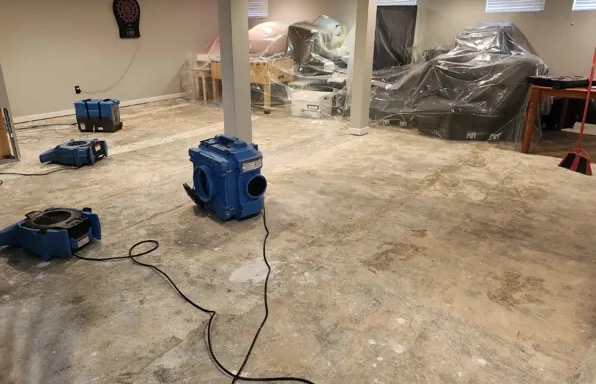
Mold Structural Damage Restoration Experts Serving Santa Ana
In Santa Ana, properties with mold structural damage face issues like compromised indoor air quality and progressive decay of materials like wood and drywall. An inspection shows how far the problem goes.
In Santa Ana, the work includes removing moldy flooring and drying the structure. Nearby places like Tustin, Orange and South Coast share similar restoration needs. Local water damage restoration experts use IICRC-standard methods for mold remediation and cleanup.
Comprehensive Mold Structural Damage Restoration in Santa Ana
Structural Wood Mold Treatment
For homes in Santa Ana with mold on framing, the wood is cleaned and treated. The pros use specialized cleaners and drying techniques to salvage the wood whenever possible, avoiding costly full replacement.
HVAC Duct Mold Cleaning
The pros perform thorough internal cleaning of contaminated HVAC ductwork, plenums, and coils to stop spore circulation.
Post-Remediation Structural Drying
Drying the structure completely after remediation is what seals the success of the project. Using moisture meters, the pros monitor the drying process until all materials meet dry standard specifications.
Emergency Mold Containment Setup
Setting up containment controls the mold remediation environment from the outset. It isolates the area to protect workers and occupants before removal starts.
Mold Contaminated Insulation Removal
Wet, moldy insulation loses thermal resistance and must be removed. The process involves extraction using vacuum systems and sealed disposal bags. The cavity is then cleared for new insulation.
Symptoms Requiring Mold Structural Damage Restoration in Santa Ana
Flooring That Feels Spongy
Soft spots underfoot on laminate, tile, or wood floors often point to subfloor mold damage.
Insulation That Feels Damp
Wet or compacted attic or wall insulation stops insulating well and often hides mold growth.
HVAC System With Dusty Smell
Mold in air ducts often circulates a dusty, musty odor whenever the heating or cooling runs.
Musty Odors in Specific Rooms
A persistent earthy smell often signals hidden mold growth within walls, floors, or HVAC systems.
How Mold Structural Damage Restoration Works in Santa Ana
Step 1: Emergency Response and Evaluation
Upon quick action, the specialists assess the scope of structural damage and plan the mold damage restoration process.
Step 2: Active Mold Growth Removal
Pros physically remove all visible mold colonies and the porous materials they grow on, such as during mold contaminated insulation removal.
Step 3: Antimicrobial Application and Treatment
After removal, approved antimicrobials are applied to remaining structural surfaces to inhibit any residual mold spores from reactivating.
Step 4: Air Quality Clearance Testing
Air samples may be taken afterward to confirm spore counts are safe.
Typical Sources of Mold Structural Damage
Chronic Plumbing Leaks
Slow drips inside walls or under floors provide constant moisture, leading to extensive structural mold damage over time.
Flooding From Storms
Stormwater entering a home saturates porous building materials, requiring drying to prevent structural mold damage.
Condensation in HVAC Ducts
Temperature differences in ductwork can create condensation, leading to mold growth inside the air distribution system.
Roof Leaks Into Attics
Water intrusion from damaged shingles or flashing soaks insulation and wood, creating ideal mold growth conditions.
Mold Structural Damage Restoration for All Property Types in Santa Ana
Residential Mold Structural Damage Restoration
Residential mold cleanup often involves delicate materials like plaster and historic wood. The specialists remove drywall and repair the structure while keeping the home's character.
Commercial Mold Structural Damage Restoration
In commercial settings, mold can spread quickly through shared HVAC systems. The experts clean ducts and dry the structure so air circulates safely.
Mold Structural Damage Restoration: Professional Help vs. Home Methods
A property owner can document visible damage by taking clear, dated photos of all affected areas for their insurance claim before any cleanup begins. Since coverage decisions belong entirely to the insurer, they should confirm policy specifics regarding mold structural damage restoration before authorizing any professional work to proceed.
Cost Considerations for Mold Structural Damage Restoration in Santa Ana
The overall expense is influenced by the scale of required containment procedures to prevent cross-contamination throughout the property. It also depends on the extended duration of structural drying often needed after remediation in enclosed spaces like wall cavities.
Testing and Verification
Post-remediation mold testing to confirm clearance adds a final step and associated lab analysis fees.
Containment Level
Establishing negative air pressure and sealing off work zones adds to the project scope and required equipment.
Material Type
Costs differ between treating porous wood studs versus non-porous materials, as each requires specific mold removal and restoration approaches.
Does Insurance Cover Mold Structural Damage Restoration?
Whether a policy covers mold damage restoration hinges on the cause listed. The specialists in Santa Ana provide detailed documentation of structural damage for a homeowner to submit to their insurer. Review your policy, since your insurer makes all payment decisions.
Why Santa Ana Properties Need Local Specialists for Mold Structural Damage Restoration
Thorough Drying Protocols
Post-remediation structural drying uses industrial equipment to remove residual moisture from rebuilt cavities and materials.
Health-Safe Procedures
Containment and air filtration during mold infested drywall removal help protect indoor air quality in your home.
Post-Remediation Verification
A final check confirms spore counts are acceptable after drying and repairs.
24/7 Emergency Mold Structural Restoration in Santa Ana
Emergency mold and mildew removal from structural components cannot wait. For help with containment and assessment in Santa Ana, call (949) 710-3360 anytime. The specialists focus on halting further structural damage during the initial response.
Call Now (949) 710-3360Mold Structural Damage Restoration Provided Throughout Orange County
Other places served are listed below, each with its own page.
- Mold Structural Damage Restoration in Tustin
- Mold Structural Damage Restoration in Orange
- Mold Structural Damage Restoration in South Coast
- Mold Structural Damage Restoration in North Tustin
- Mold Structural Damage Restoration in Garden Grove
- Mold Structural Damage Restoration in Midway City
- Mold Structural Damage Restoration in Westminster
- Mold Structural Damage Restoration in Laguna Beach
Your Mold Structural Damage Restoration Questions Addressed
What are signs of structural damage from water damage mold?
Signs include soft or warped wood, sagging floors or ceilings, crumbling drywall, and musty odors, indicating moisture has compromised the material's integrity.
How is mold contaminated insulation removal performed?
Affected insulation is carefully bagged and removed, the cavity is cleaned and treated, and new insulation is installed only after the area passes mold inspection and is fully dry.
Why is emergency mold containment setup important?
Containment with plastic sheeting and negative air pressure isolates the work area, preventing mold spores from spreading to clean parts of your home during remediation.
When is HVAC duct mold cleaning recommended?
If an inspection finds mold in the ductwork, it needs to be cleaned so the system does not spread spores through the home.
What happens during post-remediation structural drying?
After mold removal and repairs, industrial dehumidifiers and air movers dry out new materials and adjacent structures to prevent residual moisture from causing new mold growth.