Costa Mesa, CA · Orange County
Structural Restoration in Costa Mesa, CAWall Framing Drying Services & Structural Water Damage Repair
In Costa Mesa, Structural Restoration includes structural water damage repair, foundation water restoration, and wall framing drying services.
Answered 24/7
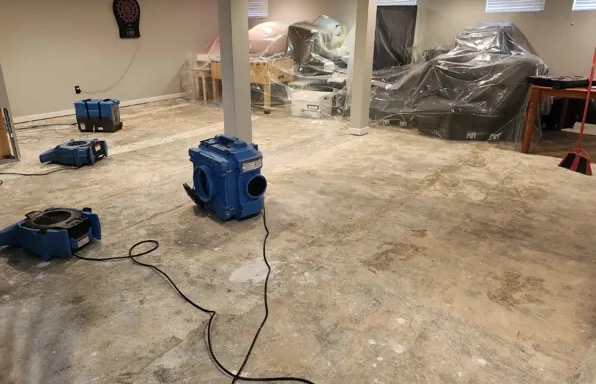
Understanding Structural Restoration in Costa Mesa, California
Full structural restoration in Costa Mesa protects your investment by addressing not just surface damage but the underlying building structure repair needed after water events. Local structural restoration pros finish drying before rebuilding, so new wood and supports go onto dry material.
For homes in ZIP codes 92626, 92627 and 92628 in Costa Mesa, the work includes joist repair and load-bearing wall repair. The service area extends to Costa Mesa East, Costa Mesa West and College Park, where structural repair specialists apply the same rigorous drying and repair standards. Their work aims to restore the original structural performance.
Structural Restoration Solutions for Costa Mesa Properties
Wall Framing Drying Services
Wet wall studs are common after water events. Services involve removing drywall to access the framework. Pros then direct high-velocity air and dehumidification into cavities.
Structural Water Damage Repair
Structural water damage repair focuses on wet framing and supports. The pros use IICRC-standard drying to stabilize wood and steel. This prevents long-term weakening and safety problems.
Post-Flood Structural Repair
In Costa Mesa, post-flood structural repair is a multi-stage process. The pros coordinate drying, debris removal, and reconstruction. They document all damage with photos and notes for the homeowner's insurance claim. They make the structure sound before cosmetic repairs.
Floor Joist Repair Services
Floor joist repair services address the horizontal supports under floors. Water-damaged joists can sag or become unsafe. Repairs may involve sistering new joists or applying epoxy.
Foundation Water Restoration
For properties in Costa Mesa, foundation water restoration may address drainage issues. Local pros extract standing water and use industrial dehumidifiers. They document damage for insurance claims.
Warning Signs You Need Structural Restoration in Costa Mesa
Post-Flood Visible Wood Rot
Discolored, soft or crumbling wood after a flood needs to be checked to see whether it can be dried or must be replaced.
Wall Framing Soft to Touch
Drywall or plaster that feels soft or damp means the framing behind it is likely wet and needs drying.
Doors and Windows Sticking
Doors and windows that stick or won't close properly often mean the structural wood framing has swollen.
Foundation Wall Efflorescence
White, chalky residue on foundation walls means water is seeping through the concrete.
How Structural Restoration Works in Costa Mesa
Step 1: Emergency Stabilization and Assessment
The process starts by making the area safe and performing a structural integrity assessment to plan the necessary repairs.
Step 2: Comprehensive Moisture Removal
Structural moisture removal begins using industrial dehumidifiers and air movers to dry joists, beams, and wall framing from the inside out.
Step 3: Floor Joist and Beam Repair
Damaged floor joist repair and beam sistering or replacement are executed to restore the strength and level of the floor system.
Step 4: Reconstruction and Sealing
The final step involves reconstructing any opened walls or floors and applying sealants to protect the restored structural wood from future moisture.
Events That Require Structural Restoration in Costa Mesa
Firefighting Water After a Blaze
The substantial water used to extinguish fires soaks structural members, demanding post-fire structural drying methods.
Appliance Leaks or Malfunctions
Water heater ruptures or washing machine hose failures release large volumes, compromising structural wood near utilities.
Poor Drainage and Grading Issues
Improper yard grading directs water toward the foundation, a common cause of structural moisture removal projects.
Major Plumbing System Failures
Burst supply lines or drain pipe failures can flood a structure, saturating load-bearing walls and floor systems.
Structural Restoration for Homes and Businesses in Costa Mesa
Residential Structural Restoration
Residential structural integrity restoration often involves discreet repairs to preserve aesthetics. In occupied homes, the professionals repair joists and walls while controlling dust and disruption.
Commercial Structural Restoration
Commercial structural drying and dehumidification requires industrial-scale equipment for large warehouses or offices. The experts assess steel supports, concrete slabs, and large-span roof systems to prevent business interruption from post-flood structural repair delays.
Why Structural Restoration Requires Local Pros in Costa Mesa
Removing superficial water with a wet-dry vacuum from non-structural surfaces like floor coverings is acceptable if there is no collapse risk. Never pull down wet drywall or plaster from load-bearing walls, as this may destabilize them. Leave wall restoration after water damage to the pros.
What Affects Structural Restoration Cost in Costa Mesa, CA
How long drying and dehumidifying take affects the cost after a major leak or flood. Longer drying times for dense materials like framing lumber typically increase the total expense.
Scope of Deconstruction
The amount of drywall, flooring, or insulation that must be removed to access and dry structural elements influences the project's labor intensity.
Contamination Level
Post-flood structural repair for category 2 or 3 water involves additional safety protocols and cleaning, increasing the overall restoration effort.
Required Drying Time
Structural drying and dehumidification processes must run until materials reach a specific moisture content, affecting equipment rental duration and energy use.
Does Insurance Cover Structural Restoration?
The pros document the damage for a homeowner's claim. Their report explains why drying or wall repairs were needed and includes moisture readings. Coverage decisions belong to the insurer.
Selecting Local Pros in Costa Mesa for Your Structural Restoration
Focused Load-Bearing Expertise
Load-bearing walls are dried and repaired so they support the home safely.
Post-Flood Structural Protocols
Specific procedures for post-flood structural repair address contamination and saturation levels to safely restore the building's framework.
Advanced Moisture Detection
Using penetrating meters and thermal imaging, the specialists locate hidden moisture within wall cavities and structural wood for targeted drying.
Urgent Structural Restoration Available in Costa Mesa Day or Night
When water threatens a home's framework, delay increases repair complexity and potential for mold growth. Homeowners should reach the professionals for urgent structural integrity assessment and mitigation by calling (949) 710-3360 anytime.
Call Now (949) 710-3360Structural Restoration Near Costa Mesa: Areas Served
When water reaches a building's frame in Costa Mesa, it needs structural drying and dehumidifying. The professionals provide these specialized services to the community and nearby areas including Costa Mesa East, Costa Mesa West and College Park.
Frequently Asked Questions About Structural Restoration
What is the first step after discovering structural damage?
Call for emergency water extraction first, then book a structural assessment to plan the repairs.
When is floor joist repair necessary?
Repair is needed when joists are warped, sagging, or have sustained prolonged wetting that compromises their strength. Sistering new joists alongside damaged ones is a common repair method.
Why is wall restoration after water damage complex?
Wood inside the wall must dry fully before finishes are repaired so no moisture is sealed in.
What happens during wall framing drying services?
Drywall and insulation are removed to expose the wood studs. High-velocity air movers and dehumidifiers then create airflow to evaporate moisture from the lumber until it is dry.
How is structural moisture removal verified?
The pros use penetrating moisture meters to take readings inside wood members. Drying continues until these readings match the moisture content of known dry materials elsewhere in the home.