Brea, CA · Orange County
Thermal Imaging Inspections in Brea, CAInfrared Mold Inspection Services & Electrical Issue Thermal Scans
Thermal Imaging Inspections in Brea includes insulation gap thermal detection, hidden moisture damage scanning and water leak detection thermal scans.
Answered 24/7
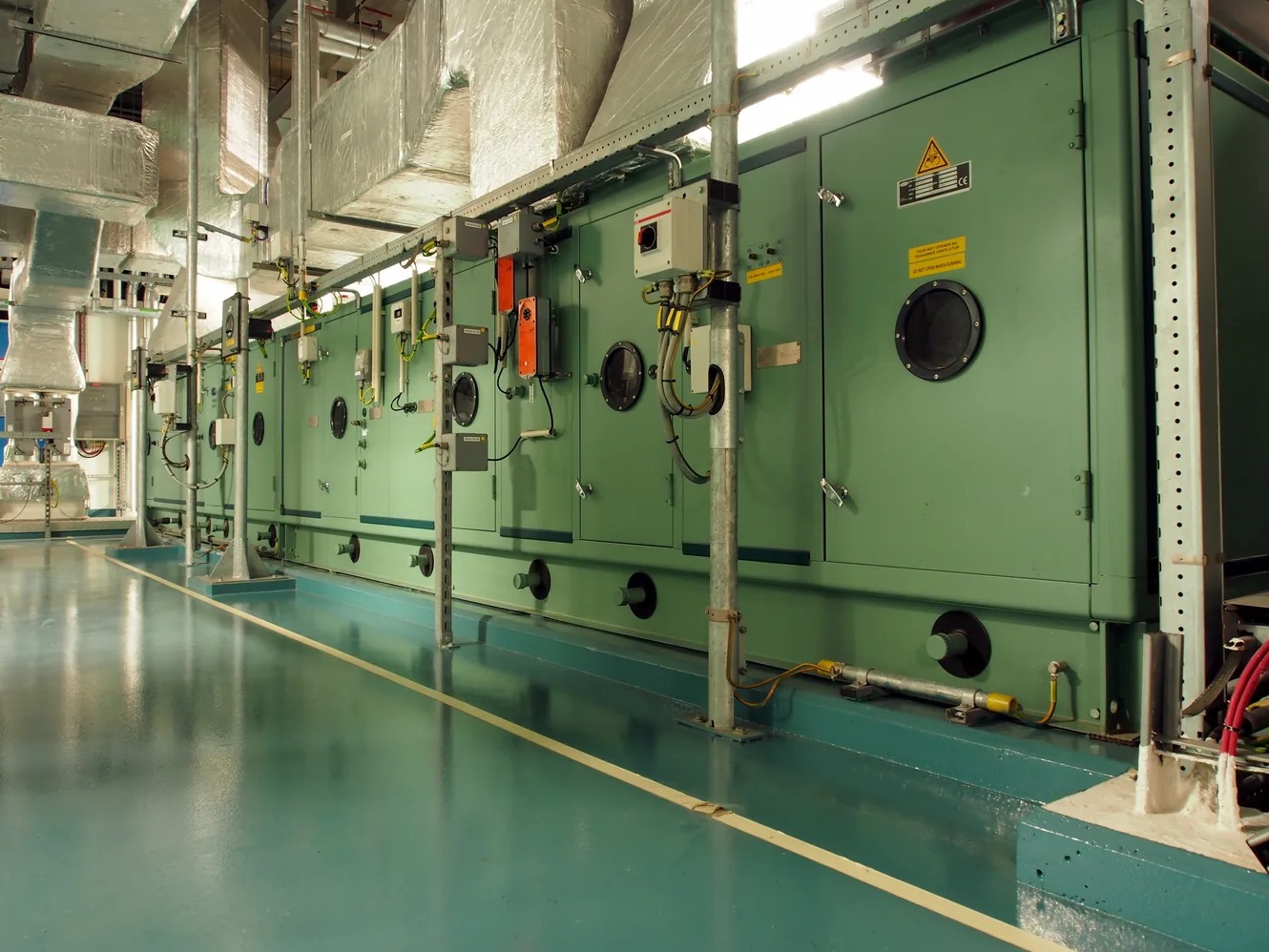
Professional Thermal Imaging Inspections in Brea, CA
Gaps in insulation in Brea homes raise heating and cooling bills all year. A thermal scan shows where conditioned air escapes through attics, walls and around windows and doors.
Thermal home inspections in Brea and areas like La Habra, Placentia and Fullerton reveal insulation gaps and hidden water damage behind walls or under floors. Businesses can schedule scans around operating hours.
Specialized Thermal Imaging Inspections for Brea Homes
Infrared Mold Inspection Services
Thermal scans find damp materials inside walls or under flooring, which are the areas that need drying first.
Electrical Issue Thermal Scans
Scans find hot connections and overloaded breakers before they fail or become a fire risk.
Plumbing Leak Infrared Inspection
Pros look for cool spots from cracked pipes or failed seals, a way to find leaks without damage.
Insulation Gap Thermal Detection
Scans in Brea show voids in insulation so upgrades can be planned without guesswork.
Hidden Moisture Damage Scanning
Scans separate dry and wet materials in walls and floors, helping restoration focus on the right areas.
Indicators for Thermal Imaging in Brea
Sudden Spike in Utility Bills
A sharp rise in heating or cooling costs often points to escaping air and insulation gaps.
Roof Stains After a Rainstorm
Water marks on an inside ceiling after rain mean the roof is letting water through.
Condensation on Interior Windows
Heavy condensation on inside windows can point to high humidity and hidden moisture.
Circuit Breakers That Frequently Trip
Breakers that trip without an overload can point to wiring that is overheating.
How Thermal Imaging Inspections Work in Brea
Step 1: Pre-Scan Consultation and Area Focus
Pros discuss your concerns first so the scan focuses on suspect walls or areas.
Step 2: Live Infrared Thermography Inspection
A live scan shows thermal patterns on screen so hidden moisture can be spotted right away.
Step 3: Correlation With Visual and Physical Clues
Thermal findings are checked against visible stains or drafts to confirm what they show.
Step 4: Delivery of Digital Thermal Imaging Records
You receive digital copies of all thermal images and a summary for planning repairs.
Sources of Hidden Water Damage Found with Thermal Imaging in Brea
Failing Plumbing Pipe Joints
Pipe joints wear over time and start slow leaks inside walls that go unnoticed.
Concealed Mold Growth From Past Leaks
Old leaks that were never fully dried leave wet materials behind walls.
Loose Electrical Connections
Loose wires create resistance and heat that can damage electrical parts over time.
Inadequate or Settled Insulation
Poorly installed or settled insulation leaves gaps in walls and attics where heat escapes.
Thermal Imaging Inspections Serving Both Sectors in Brea
Residential Thermal Imaging Inspections
Home scans reveal attic moisture from poorly vented bathrooms, insulation voids in vaulted ceilings, slab leaks and drafts.
Commercial Thermal Imaging Inspections
Commercial scans uncover moisture from leaking ice machine lines, condensation inside wall panels and energy loss around dock doors.
Why DIY Falls Short for Thermal Imaging Inspections in Brea
Keep an eye on spots you suspect, like a wall that often feels cold. Telling missing insulation, air leaks and hidden moisture apart requires a professional thermal scan.
Factors Affecting Thermal Imaging Inspections Cost in Brea
In Orange County, hard-to-reach areas like high ceilings or tight crawl spaces take more effort to scan and raise the price.
Property Size
Larger homes in Brea take more time for a thorough infrared scan of every room.
Number of Zones
Scanning the roof, walls and electrical system together expands the inspection checklist.
Time of Service
Emergency leak scans outside normal hours may carry a different service fee.
Does Insurance Cover Thermal Imaging Inspections?
A scan may be covered when it is part of assessing damage from a pipe leak or similar event. Inspectors document the moisture, and coverage varies by policy.
Value of Hiring Moisture Detection Specialists for Thermal Imaging in Brea
Early Mold Risk Identification
Scans find damp materials early, before the moisture causes visible damage to finishes.
Pinpoint Accuracy for Leaks
Thermal images narrow down where plumbing or roof leaks start, so repairs are targeted.
Non-Invasive Moisture Detection
Scans find hidden moisture behind walls or under floors without cutting into the structure.
Emergency Moisture Detection in Brea
A fast thermal scan can limit water damage from a hidden leak. Call local moisture detection specialists at (949) 710-3360 any time, day or night.
Call Now (949) 710-3360Thermal Imaging Inspections Available Throughout Orange County
The places below are also served, and each one has its own page.
- Thermal Imaging Inspections in La Habra
- Thermal Imaging Inspections in Placentia
- Thermal Imaging Inspections in Fullerton
- Thermal Imaging Inspections in Yorba Linda
- Thermal Imaging Inspections in Coto de Caza
- Thermal Imaging Inspections in Rancho Santa Margarita
- Thermal Imaging Inspections in San Juan Capistrano
- Thermal Imaging Inspections in Dana Point
Common Thermal Imaging Inspections Questions Answered
What's the difference between thermal imaging and a moisture meter?
Thermal imaging scans large areas for likely moisture, and a moisture meter confirms readings at those spots.
What is the benefit of insulation gap thermal detection?
It shows where insulation is missing or compressed so upgrades can be targeted and energy waste reduced.
Are thermal imaging inspections only for emergencies?
No. The pros also help with routine maintenance, energy audits and pre-purchase checks for hidden defects.
Can thermal imaging identify problems with HVAC ductwork?
Yes. It shows leaks, gaps and poor insulation in ducts where conditioned air escapes into attics.
When should I consider a water leak detection thermal scan?
When you see unexplained stains, smell mustiness, notice a higher water bill or hear water running.