Diamond Bar, CA · Los Angeles County
Ceiling Mold Removal in Diamond Bar, CACeiling Mold Cleanup & Emergency Ceiling Mold Removal
Ceiling Mold Removal involves inspection, removal and cleanup for ceiling mold in Diamond Bar.
Answered 24/7
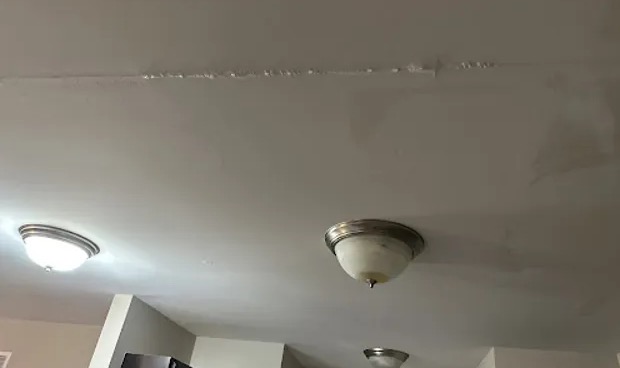
Professional Ceiling Mold Removal in Diamond Bar, CA
Toxic mold removal in Diamond Bar homes demands professional care. Ceiling mold remediation protects occupants from respiratory irritants. Mold removal services should be comprehensive to ensure all spores are addressed.
In Diamond Bar, ceiling mold testing helps identify hidden problems. Local mold remediation pros perform toxic mold removal and emergency ceiling mold removal. They work in the area and communities like Chino Hills, San Dimas and Brea.
Detailed Ceiling Mold Removal Solutions in Diamond Bar, CA
Ceiling Mold Cleanup
Mold cleanup on ceilings includes detailed cleaning of joists, beams, and surrounding areas. Local ceiling mold removal pros apply antimicrobial coatings to inhibit future growth. Proper cleanup is key for complete ceiling mold removal services in Diamond Bar.
Emergency Ceiling Mold Removal
For emergency ceiling mold situations, the pros provide professional assessment and immediate remediation steps. In Diamond Bar, they work to protect belongings and living spaces from extensive contamination, addressing the mold before it worsens.
Water Damage Ceiling Mold
Mold on ceilings from water damage requires controlling moisture and removing spores. The pros identify the leak source and perform thorough remediation. This strategy addresses both cause and damage.
Black Mold Ceiling Removal
Removing toxic black mold from ceilings requires strict safety protocols. The pros in Diamond Bar wear protective gear and use negative air pressure to contain spores. This approach aims for thorough eradication.
Ceiling Mold Testing
Before and after ceiling mold removal, ceiling mold testing provides objective evidence. The pros document results homeowners can share with insurers. This adds clarity to the remediation process.
Warning Signs You Need Ceiling Mold Removal
Discolored or Stained Ceiling Tiles
Discoloration on acoustic or drop ceiling tiles is a clear sign of moisture issues and potential ceiling mold cleanup.
Condensation on Windows or Walls
High indoor humidity causing condensation can also lead to moisture accumulation on ceilings, fostering mold growth.
Recent Water Damage on the Ceiling
Any past or recent leak that left a water stain is a prime location for ceiling mold to begin growing.
Dampness or Moisture on Ceiling Surface
Feeling dampness or seeing moisture beads on a ceiling surface is a direct warning sign of active mold conditions.
How Ceiling Mold Removal Works in Diamond Bar
Step 1: Ceiling Mold Inspection and Assessment
The pros begin with a detailed ceiling mold inspection, identifying the type, extent, and moisture source. This assessment guides the entire remediation plan.
Step 2: Containment and Air Filtration Setup
They establish containment barriers and use negative air machines with HEPA filters. This prevents mold spores from spreading to other home areas during removal.
Step 3: Black Mold Ceiling Removal and Cleanup
Affected ceiling materials like drywall or insulation are safely removed and discarded. All surfaces are then cleaned with antimicrobial solutions.
Step 4: Drying and Final Clearance Testing
The area is thoroughly dried using professional equipment. A final ceiling mold testing is often performed to ensure the mold levels have returned to normal.
Frequent Causes of Mold on Ceilings in Diamond Bar
Plumbing Leaks in Upper Floor Walls
Leaking pipes inside walls or above ceilings release water slowly, often causing hidden black mold on ceiling growth.
Air Conditioner Condensate Drain Leaks
A clogged or disconnected AC drain line can cause water to overflow and leak through the ceiling, fostering mold.
Bathroom and Kitchen Ventilation Issues
Inadequate exhaust fans let steam from showers and cooking settle on ceilings, creating moisture for mold on ceiling removal.
Condensation From High Indoor Humidity
High humidity levels cause condensation to form on cooler ceiling surfaces, providing the dampness mold spores need.
Domestic and Commercial Ceiling Mold Removal in Diamond Bar
Residential Ceiling Mold Removal
Residential ceiling mold often appears in bathrooms and under attic spaces. The process involves careful ceiling mold inspection, removal of affected materials, and drying to restore a healthy living space.
Commercial Ceiling Mold Removal
In commercial settings, mold on ceiling tiles or in drop ceilings requires specialized removal. Professionals ensure remediation meets health standards for workplaces, schools, or medical facilities, focusing on air quality control.
When to Hire Local Pros for Ceiling Mold Removal in Diamond Bar
Fix minor condensation by using a dehumidifier to lower humidity. Keep furniture away from walls for better air circulation. Persistent mold often means a leak needing the pros in Diamond Bar.
Pricing for Ceiling Mold Removal in Diamond Bar, CA
The investment for professional ceiling mold removal services factors in the equipment used, like HEPA vacuums and air scrubbers. The goal is effective removal without cross-contamination to other areas of your home.
Type of Mold Present
Identifying black mold or other toxic varieties necessitates stricter safety protocols and specialized disposal methods, which can increase the overall project cost.
Ceiling Material and Accessibility
Removing mold from textured popcorn ceilings or high vaulted ceilings often requires more time and careful techniques than working on flat drywall.
Local Disposal Regulations
Proper bagging and disposal of mold-contaminated materials according to local guidelines incur specific fees that are part of the service cost.
Does Insurance Cover Ceiling Mold Removal?
Insurance may cover ceiling mold cleanup if it follows a documented, covered water loss. Insurers require proof the mold resulted from that specific incident. The final decision belongs to the insurer.
Advantages of Hiring Local Pros for Ceiling Mold Removal in Diamond Bar
Comprehensive Ceiling Mold Cleanup
The process includes cleaning of adjacent surfaces and affected belongings to remove settled spores following the primary removal work.
24/7 Emergency Response
Immediate action is available for urgent ceiling mold situations to help contain the problem and begin the assessment process at any hour.
Post-Remediation Verification Options
Ceiling mold testing after the work provides a clearance check to confirm that mold levels have returned to a normal, safe range.
Emergency Ceiling Mold Removal Available 24/7 in Diamond Bar
Black mold on ceiling areas, especially after a leak, is an urgent situation. Delaying can allow spores to multiply. Reach out to the experts for emergency service by calling (949) 710-3360 anytime.
Call Now (949) 710-3360Ceiling Mold Removal Service Area Including Diamond Bar, CA
Other places served are listed below, each with its own page.
Ceiling Mold Removal Common Questions Answered
Can ceiling mold cleanup be done without removing drywall?
Surface mold on a non-porous ceiling can sometimes be cleaned, but mold growing on or inside porous drywall or plaster typically requires cutting out and replacing the affected section.
Why is ceiling mold prevention important after removal?
Preventing regrowth protects your investment in remediation and your indoor air quality. It involves fixing leaks, improving ventilation, and controlling indoor humidity levels below 60%.
When is ceiling mold testing recommended?
Testing is advised if you suspect hidden mold, to identify the mold type after visible discovery, or as a post-remediation clearance check to confirm the area is safe.
What happens during a ceiling mold inspection?
An inspector visually assesses the growth, may use moisture meters to find dampness, and could recommend air or surface sampling to identify the mold type and spore concentration.
What causes water damage ceiling mold to grow?
Mold grows on ceilings due to excess moisture, commonly from roof leaks, plumbing issues in upstairs bathrooms, condensation from poor attic ventilation, or lingering humidity after a spill.