Stanton, CA · Orange County
Heating Unit Mold Cleanup in Stanton, CADuctwork Mold Sealing & Vent Register Mold Cleaning
Heating Unit Mold Cleanup in Stanton involves HVAC mold inspection, air duct mold remediation, and furnace mold cleanup.
Answered 24/7
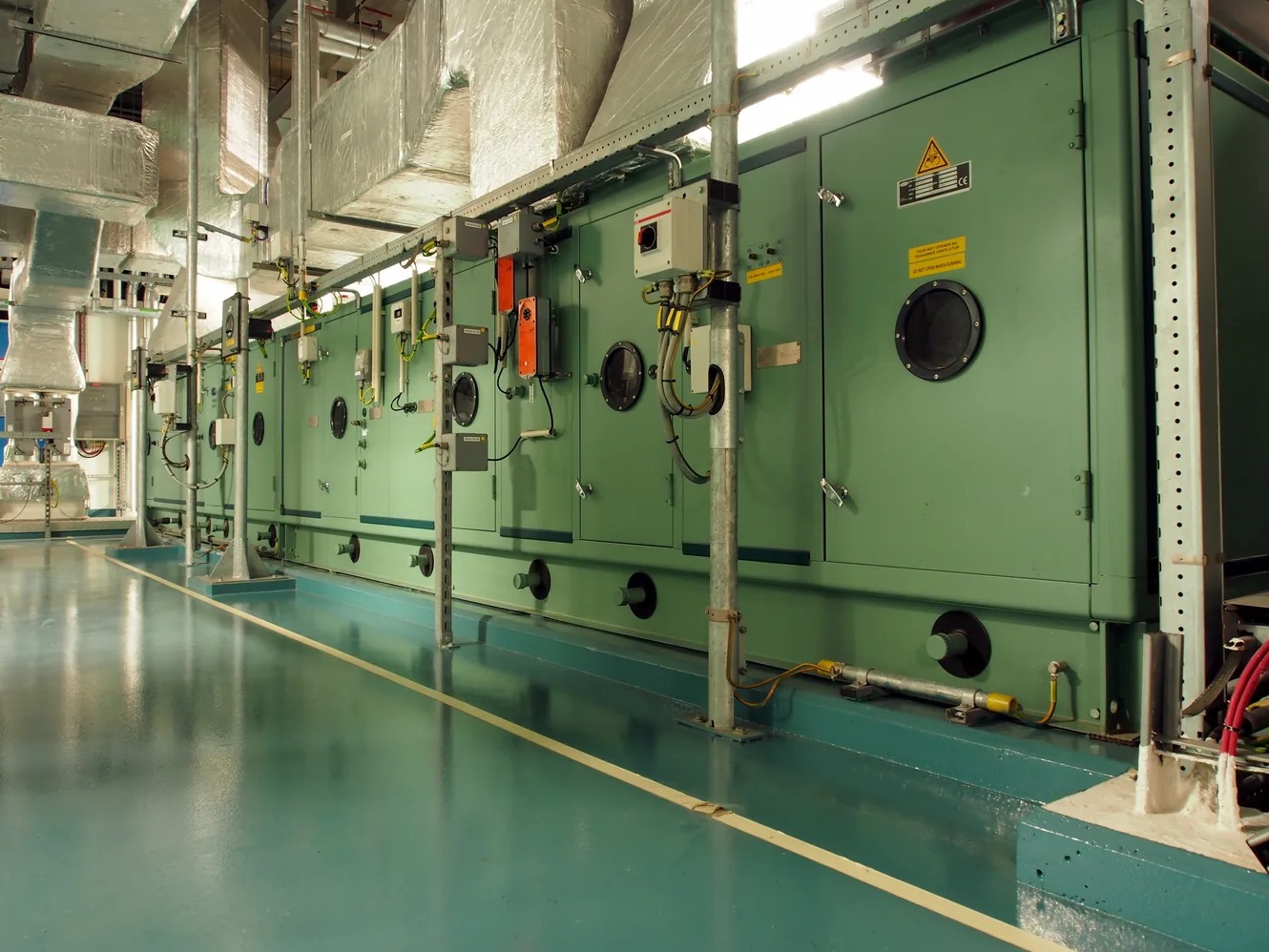
Local Heating Unit Mold Cleanup for Stanton Residents
Mold colonies within a heating unit can distribute spores across an entire property in Stanton, degrading indoor air quality and reducing system efficiency. Fast mold removal from the heating system stops ongoing contamination and strain on the unit.
Heating unit mold cleanup is available in Stanton and nearby areas like Westminster, Garden Grove and Cypress. Mold in HVAC systems spreads quickly through the ducts and into indoor air. Local heating unit mold cleanup pros tailor the work to each home.
Heating Unit Mold Cleanup Process and Methods in Stanton
Ductwork Mold Sealing
Local heating unit mold cleanup pros seal breaches in leaky ductwork to prevent humid air from entering the system. This action addresses a root cause of moisture, protecting the results of heating unit mold cleanup.
Vent Register Mold Cleaning
The process involves removing, washing, and reinstalling grilles. The pros make sure no debris remains. This adds a finishing touch to heating unit mold cleanup.
HVAC Mold Inspection
Inspecting for mold examines the plenum, blower, and insulation. The pros locate colonies that spread spores. This precedes heating unit mold cleanup service.
Post-Remediation Air Testing
Post-remediation air testing compares indoor samples to an outdoor control. The pros follow established protocols to validate the success of heating unit mold cleanup in Stanton.
Air Duct Mold Remediation
The process includes sealing and cleaning register grilles. The pros remove visible and hidden mold. This work is fundamental to heating unit mold cleanup.
When to Consider Heating Unit Mold Cleanup for Your Home
Mold in Furnace Cabinet
Opening the furnace panel and finding mold means spores are likely distributed throughout the entire forced air system.
Musty Odors from Vents
A persistent musty smell when the heating system runs indicates mold growth inside air ducts or the furnace.
Reduced Heating Efficiency
Higher energy bills and weak airflow can mean mold is obstructing ductwork or coating the furnace heat exchanger.
Black Specks in Airflow
Seeing small black particles blowing from vents is a direct indicator of mold spore release from ductwork.
How Heating Unit Mold Cleanup Works in Stanton
Step 1: Access and Preparation of HVAC System
The pros safely open access panels and prepare the furnace and ductwork for the heating unit mold cleanup procedure.
Step 2: Mechanical Cleaning of Contaminated Ducts
They use compressed air whips and rotating brushes to dislodge mold from duct walls, followed by immediate HEPA vacuum extraction.
Step 3: Targeted Furnace Mold Cleaning
The furnace interior, including the blower assembly and heat exchanger, receives specialized furnace mold cleaning and sanitizing treatment.
Step 4: Final Sanitizing and Sealing Application
A protective sanitizing sealant may be applied to duct interiors, and any leaks are sealed, concluding the ductwork mold cleaning service.
What Leads to Mold in Heating Systems in Stanton
Condensate Drain Line Clogs
A blocked AC drain pan or line causes water overflow into the air handler and ductwork, leading to mold growth.
Leaking Roof Above HVAC
Water intrusion from a roof leak near HVAC equipment can drip directly into air ducts or the furnace cabinet.
Undersized or Faulty Dehumidifiers
An HVAC system that fails to properly dehumidify the air allows moisture to accumulate inside ductwork and vents.
Air Duct Leaks and Gaps
Leaky ductwork pulls in humid air from attics or crawl spaces, depositing moisture that fosters mold inside the ducts.
Heating Unit Mold Cleanup for All Property Types in Stanton, CA
Residential Heating Unit Mold Cleanup
Residential heating unit mold cleanup by the pros targets hidden mold in vents and the air handler. That stops allergens from spreading through the home's ducts.
Commercial Heating Unit Mold Cleanup
Commercial buildings with large central air systems need full duct mold cleanup. The pros apply scaled methods for large-volume air duct mold remediation, often concluding with post-cleanup verification testing to confirm results.
Heating Unit Mold Cleanup vs. DIY: When to Call Local Pros
Monitoring indoor humidity with a hygrometer and keeping levels below 60% is a proactive DIY measure. If you see condensation on ducts, improve insulation as a preventive step. Actual mold growth within the heating system requires specialized equipment and IICRC-standard methods only the pros provide for air duct disinfection.
Primary Factors Affecting Heating Unit Mold Cleanup Cost in Stanton
Your investment in heating unit mold cleanup depends on the complexity of the job, such as if ductwork sealing and repair is also required after mold removal.
Containment Needs
Setting up proper containment to isolate the HVAC system during mold spore removal adds to material and setup expenses.
HVAC System Size
Larger systems with more ductwork and components, like air handlers, require more materials and labor for a thorough cleaning.
Extent of Contamination
The square footage of mold growth within the air ducts and heating unit directly influences the scope and duration of work.
Does Insurance Cover Heating Unit Mold Cleanup?
Whether a property insurance policy covers Heating Unit Mold Cleanup depends entirely on the cause of loss listed in the policy documents. Coverage is not automatic and requires the insurer's specific approval for the claim after their review.
Reasons for Professional Heating Unit Mold Cleanup in Stanton
Comprehensive System Approach
The process addresses the entire air pathway, from furnace mold cleaning to vent and register cleaning, for a complete solution.
Advanced Cleaning Technologies
Special tools clean ducts and coils much more deeply than wiping surfaces by hand.
IICRC-Standard Remediation Methods
Protocols for HVAC mold removal follow industry standards for containment, cleaning, and verification to address the contamination properly.
24/7 Heating Unit Mold Cleanup Assistance in Stanton
If mold in the HVAC system is affecting indoor air, ask for emergency service. Call (949) 710-3360 to arrange an assessment.
Call Now (949) 710-3360Heating Unit Mold Cleanup Available Throughout Orange County
Each place listed below has its own page with local details.
- Heating Unit Mold Cleanup in Westminster
- Heating Unit Mold Cleanup in Garden Grove
- Heating Unit Mold Cleanup in Midway City
- Heating Unit Mold Cleanup in Laguna Woods
- Heating Unit Mold Cleanup in North Tustin
- Heating Unit Mold Cleanup in Orange
- Heating Unit Mold Cleanup in Aliso Viejo
- Heating Unit Mold Cleanup in Laguna Beach
Your Heating Unit Mold Cleanup Questions Resolved
What are the signs I need HVAC mold remediation?
Musty odors from vents, visible mold on registers or inside the air handler, and increased allergy symptoms when the system runs can indicate a problem.
How long does air handler sanitization take?
The time varies with system size and contamination level, but a thorough cleaning of the unit and connected ducts often takes several hours to a full day.
How does mold get into my HVAC system?
Mold spores enter through intakes, grow due to moisture from condensation, leaks, or high humidity within the ductwork or on components like the evaporator coil.
Will HVAC mold inspection disrupt my home?
Inspection is minimally invasive, involving visual checks with cameras and possibly air samples, causing little to no disruption to your daily routine.
Can mold return after heating unit sanitization?
If the underlying moisture source isn't fixed, regrowth is possible; the cleanup addresses the existing mold, but moisture control is key for long-term results.