Stanton, CA · Orange County
Mold Structural Damage Restoration in Stanton, CAMold Damaged Flooring Removal & Post-Remediation Structural Drying
Mold Structural Damage Restoration in Stanton often includes mold damaged flooring removal, structural wood mold treatment and mold contaminated insulation removal.
Answered 24/7
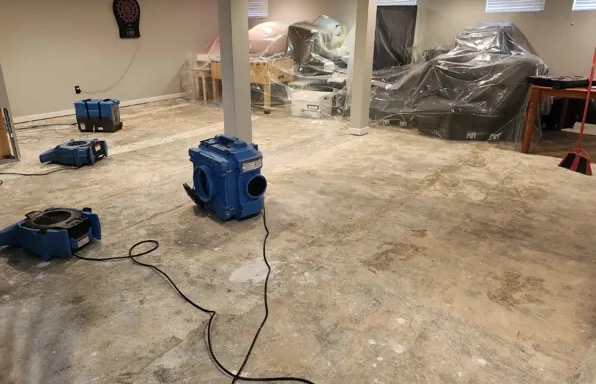
Local Mold Structural Damage Restoration for Stanton Homes
Structural damage from mold in Stanton can silently spread through walls and floors, requiring immediate attention to halt deterioration and protect your investment. Black mold removal is often part of the work.
Across Stanton and nearby Westminster, Garden Grove and Cypress, the work often includes duct cleaning and drywall removal. ZIP code 90680 see these services regularly. Local structural damage restoration pros perform the work. From the first call to (949) 710-3360 through the final walkthrough, Stanton property owners can ask questions at each stage.
Mold Structural Damage Restoration Services in Stanton
Mold Damaged Flooring Removal
Local mold remediation pros in Stanton handle mold under flooring. They pull up material, assess the subfloor, and dispose of contaminated flooring properly.
Post-Remediation Structural Drying
The pros use industrial air movers after mold removal. They bring wood and concrete moisture levels down to normal to prevent regrowth.
Emergency Mold Containment Setup
Containment comes first when mold growth is heavy. It involves sealing off doorways, vents, and other openings with plastic sheeting and establishing negative pressure within the work area for safety.
Structural Wood Mold Treatment
Mold can break down wood fibers over time and weaken framing. Treatment cleans the wood and stops further decay, and badly weakened pieces are replaced.
Mold Contaminated Insulation Removal
Once mold grows in insulation, it cannot be cleaned. The removal process involves establishing containment, extracting the material, and performing a final air scrub of the space to remove lingering particulate.
Signs of Mold Structural Damage
Musty Odors in Specific Rooms
A persistent earthy smell often signals hidden mold growth within walls, floors, or HVAC systems.
Recent Water Damage Stains
Discolored ceilings or walls from past leaks can create the perfect environment for mold.
Discolored or Deteriorating Wood
Structural beams or studs that appear darkened, stained, or soft may have advanced wood mold.
Insulation That Feels Damp
Wet or compacted attic or wall insulation stops insulating well and often hides mold growth.
How Mold Structural Damage Restoration Works in Stanton
Step 1: Emergency Response and Evaluation
Upon quick action, the specialists assess the scope of structural damage and plan the mold damage restoration process.
Step 2: Active Mold Growth Removal
Pros physically remove all visible mold colonies and the porous materials they grow on, such as during mold contaminated insulation removal.
Step 3: Antimicrobial Application and Treatment
After removal, approved antimicrobials are applied to remaining structural surfaces to inhibit any residual mold spores from reactivating.
Step 4: Air Quality Clearance Testing
Air samples may be taken afterward to confirm spore counts are safe.
Typical Sources of Mold Structural Damage
High Indoor Humidity Levels
Consistent humidity above 60 percent allows mold spores on surfaces to germinate and colonize materials.
Poor Bathroom Ventilation
Shower steam with no exhaust fan leads to moisture buildup on walls and ceilings, encouraging mold.
Appliance Overflow Incidents
Washing machine, dishwasher, or water heater failures can flood floors and walls, starting rapid mold growth.
Condensation in HVAC Ducts
Temperature differences in ductwork can create condensation, leading to mold growth inside the air distribution system.
Residential and Commercial Mold Structural Damage Restoration in Stanton
Residential Mold Structural Damage Restoration
Homeowners face risks from mold in structural wood, like support beams and studs, which compromises safety. Local pros treat structural wood and dry the home to protect it and the indoor air.
Commercial Mold Structural Damage Restoration
Commercial properties need mold removed to meet health rules and protect the building. The experts set up containment and remove large areas of damaged flooring.
Calling Local Pros vs. DIY for Mold Structural Damage Restoration in Stanton
A property owner can document visible damage by taking clear, dated photos of all affected areas for their insurance claim before any cleanup begins. Since coverage decisions belong entirely to the insurer, they should confirm policy specifics regarding mold structural damage restoration before authorizing any professional work to proceed.
Mold Structural Damage Restoration Cost in Stanton, CA
The cost of mold structural damage restoration in Stanton is shaped by the square footage affected and the severity of mold colonization. Materials like framing lumber and drywall also factor into the final estimate.
Extent of Damage
The square footage of mold-compromised structural materials, from a small section to an entire wall system, dictates labor and material needs.
Containment Level
Establishing negative air pressure and sealing off work zones adds to the project scope and required equipment.
Material Type
Costs differ between treating porous wood studs versus non-porous materials, as each requires specific mold removal and restoration approaches.
Does Insurance Cover Mold Structural Damage Restoration?
Insurance coverage for mold structural damage restoration often depends on the source of the moisture. The pros document all damage with photos and moisture readings for a homeowner's claim submission. The final coverage decision rests solely with the insurance adjuster; homeowners should always confirm specifics directly with their provider.
Benefits of Local Pros for Mold Structural Damage Restoration
Targeted Material Treatment
Each material gets its own procedure, such as structural wood versus ducts.
Structural Damage Focus
The work prioritizes assessing and addressing compromised load-bearing elements and building materials, not just surface mold cleanup.
Thorough Drying Protocols
Post-remediation structural drying uses industrial equipment to remove residual moisture from rebuilt cavities and materials.
24/7 Emergency Mold Structural Damage Restoration in Stanton
Emergency mold and mildew removal from structural components cannot wait. For help with containment and assessment in Stanton, call (949) 710-3360 anytime. The pros focus on halting further structural damage during the initial response.
Call Now (949) 710-3360Mold Structural Damage Restoration Provided Throughout Orange County
Each place listed below has its own page with local details.
- Mold Structural Damage Restoration in Westminster
- Mold Structural Damage Restoration in Garden Grove
- Mold Structural Damage Restoration in Midway City
- Mold Structural Damage Restoration in Laguna Woods
- Mold Structural Damage Restoration in North Tustin
- Mold Structural Damage Restoration in Orange
- Mold Structural Damage Restoration in Aliso Viejo
- Mold Structural Damage Restoration in Laguna Beach
Mold Structural Damage Restoration Common Questions Answered
What are signs of structural damage from water damage mold?
Signs include soft or warped wood, sagging floors or ceilings, crumbling drywall, and musty odors, indicating moisture has compromised the material's integrity.
How does black mold removal differ from regular mold cleanup?
Black mold, or Stachybotrys, often indicates prolonged moisture and may require more stringent containment and removal protocols due to potential health concerns, but the structural repair steps are similar.
Is mold damaged flooring removal part of structural repair?
Yes, moldy wood or laminate flooring is often removed to reach and treat the subfloor.
What is involved in mold structural damage restoration?
It includes assessment, containment, removal of moldy materials, treatment of the remaining structure, drying and final testing.
What is the goal of mold abatement in this context?
It removes active mold and spores from structural materials to a level safe for occupancy.